In 2026, one of the clearest shifts in the habit space is the move away from hustle culture and toward soft habits. For years, self-improvement content glorified early mornings, strict schedules, and relentless optimization. But many people discovered that extreme routines often led to anxiety, inconsistency, and burnout. Soft habits offer a more humane alternative. They are small, supportive routines that help you feel steady, capable, and well rather than constantly “behind.”
Soft habits are not lazy habits. They are intelligently designed behaviors that work with your nervous system instead of against it. They are especially useful for people who are tired of starting over every Monday. A soft habit might be a two-minute tidy instead of a full reset, a short walk instead of a punishing workout, or one written sentence instead of a long journal entry. The goal is not perfection. The goal is continuity.
Why Soft Habits Are Trending in 2026
People are more aware than ever of the emotional cost of rigid self-improvement. Remote work, constant notifications, economic pressure, and digital overstimulation have changed what sustainable growth looks like. Many adults are no longer asking, “How can I do more?” They are asking, “How can I function better without exhausting myself?” Soft habits answer that question.
This trend also reflects a wider cultural shift toward recovery, emotional regulation, and realistic routines. A habit that supports your energy is more likely to last than one that depends on high motivation. That is why gentle routines are becoming a serious strategy rather than a soft option.
What Soft Habits Look Like in Real Life
- Drinking water before coffee
- Doing a one-minute breathing reset before opening your laptop
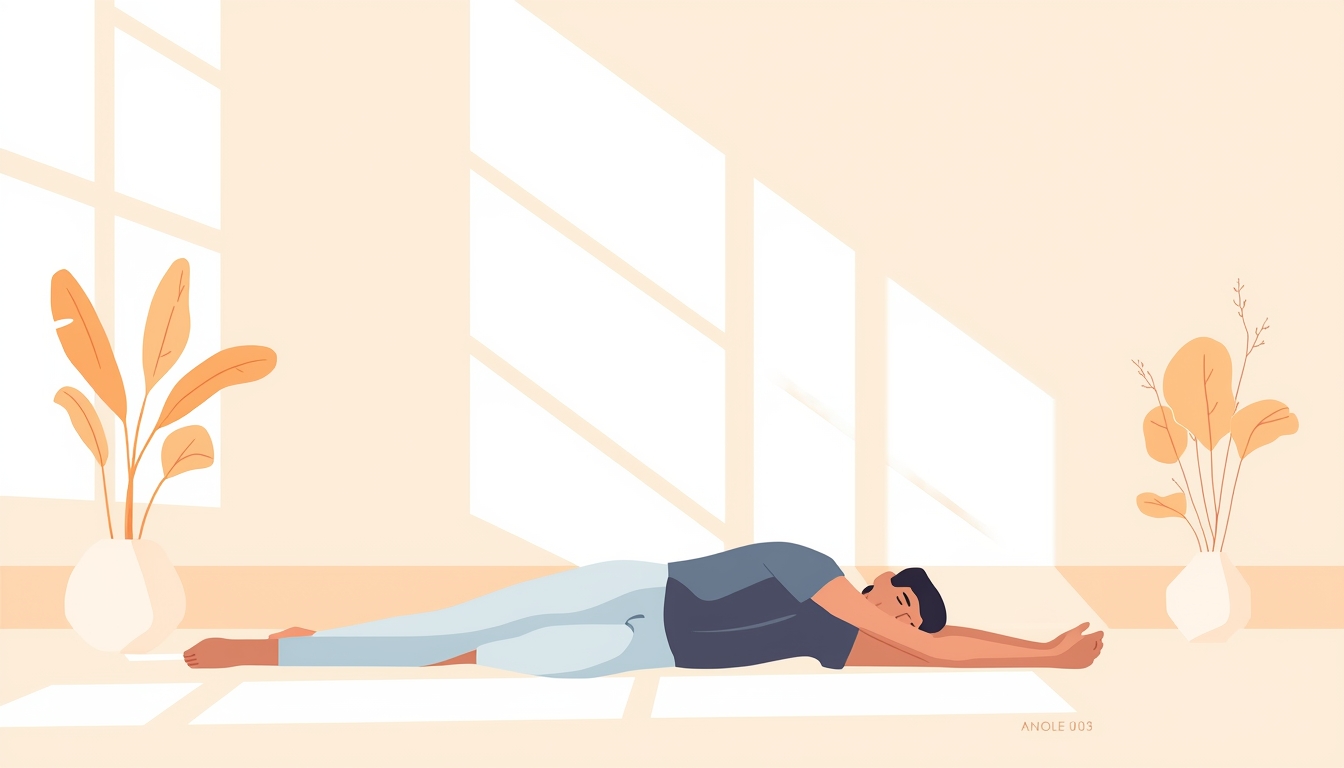
- Stretching while waiting for the kettle to boil
- Writing down one priority instead of a huge to-do list
- Going to bed ten minutes earlier instead of reinventing your entire evening
These habits feel small because they are small. That is what makes them effective. A habit you can repeat on a difficult day is more powerful than a routine that only works when life is calm.
How to Build Soft Habits That Stick
Start by asking one simple question: What would make my day feel 5% easier? The answer might be preparing your clothes the night before, taking a short screen break, or pausing before reacting to messages. Soft habits work best when they reduce friction, create calm, or increase clarity.
Keep the habit small enough that resistance stays low. Then anchor it to something you already do. For example, after brushing your teeth, you take one deep breath. After lunch, you step outside for two minutes. After shutting your laptop, you write down tomorrow’s top task. This kind of gentle structure makes consistency much easier.
Why Gentle Does Not Mean Ineffective
One of the biggest misconceptions about soft habits is that they do not create meaningful change. In reality, consistency is what changes identity. Repeated small actions tell your brain, “I am someone who shows up for myself.” That identity shift matters far more than intensity.
Soft habits are also easier to recover with after a setback. If your routine is built on all-or-nothing expectations, one bad week can derail everything. If your routine is built on flexibility, you can return quickly and without drama.
Final Thought
Soft habits are replacing hustle culture because people want habits that actually fit modern life. If your routines leave you feeling pressured, ashamed, or depleted, they are not serving you. Start smaller. Go gentler. Build habits that support your life instead of dominating it. In 2026, that is not a compromise. It is a smarter way to grow.
Explore more modern habit strategies in the Trending Habits 2026 collection.
