
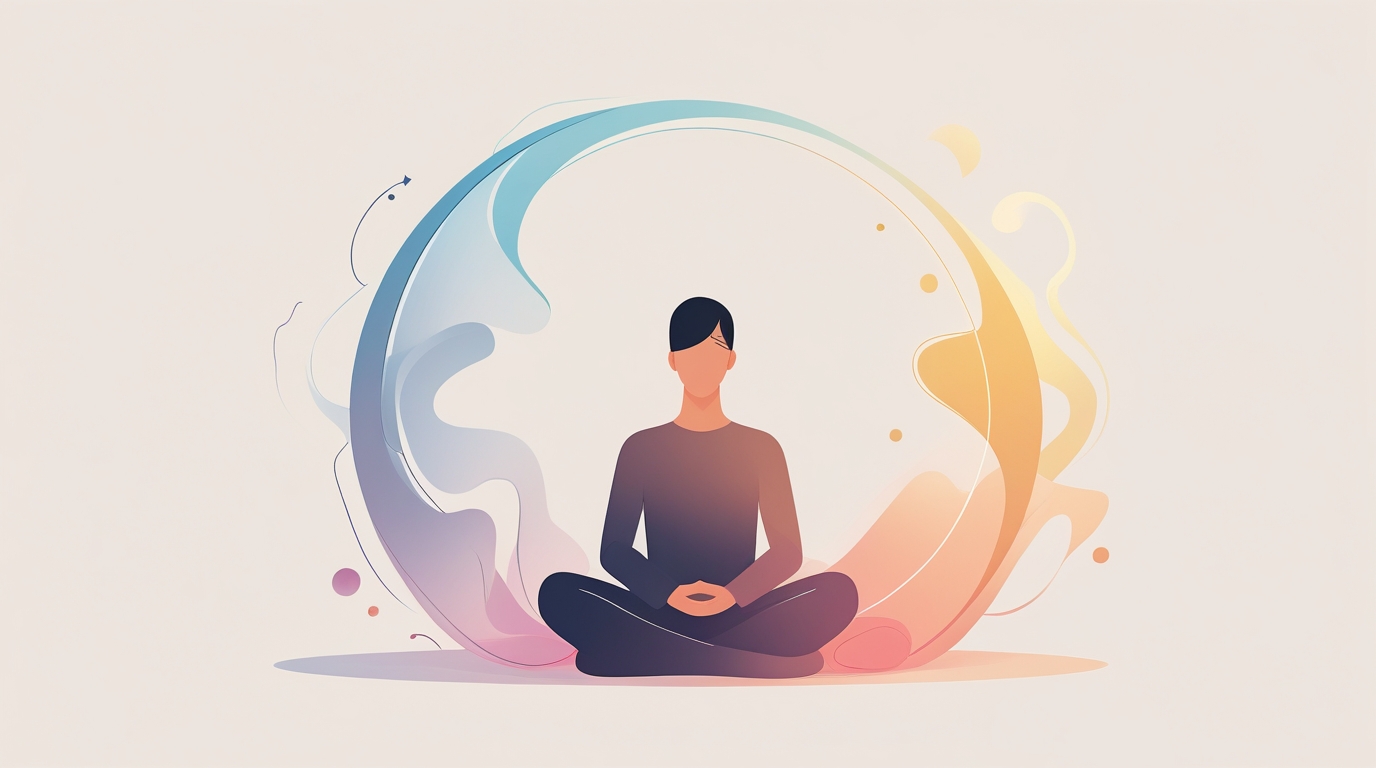
Most people think mindfulness is about feeling calm, peaceful, and serene.
But real mindfulness—the kind that builds long-term resilience—often feels uncomfortable.
In Habit Hacks for Happiness, Tess Alder introduces a powerful idea:
Mindful discomfort.
It’s the practice of staying present even when the moment feels challenging.
Instead of escaping discomfort through distraction, avoidance, or automatic habits, you learn to sit with it, observe it, and respond intentionally.
This method strengthens emotional resilience, deepens self-awareness, and helps you move through life with grounded confidence.
Why Mindfulness Must Include Discomfort
Mindfulness isn’t about escaping difficult feelings—it’s about learning to face them with clarity and compassion.
Most people avoid discomfort by:
- Scrolling
- Snacking
- Overworking
- Numbing
- Overthinking
- Stopping the habit entirely
But avoidance only reinforces fear.
Mindful discomfort, on the other hand, teaches your nervous system:
“This feeling is safe. I can handle this.”
Over time, the discomfort loses its power.
What Is the Mindful Discomfort Method?
It’s a simple 3-step practice:
1. Pause
Stop long enough to feel what’s happening in your body.
2. Observe Without Fixing
Notice the sensations:
- Tightness
- Heat
- Fluttering
- Tension
Instead of trying to escape, just witness.
3. Respond Gently
Choose the smallest, kindest next step:
- One breath
- One stretch
- One grounding thought
You’re not trying to eliminate the discomfort.
You’re learning to stay present within it.
How Mindful Discomfort Builds Emotional Strength
Every time you stay present through discomfort, you weaken avoidance-based habits such as:
- Emotional eating
- Procrastination
- Overthinking
- Impulse scrolling
- Avoidant communication
You also strengthen psychological resilience:
- Your stress response becomes calmer
- Your emotional tolerance expands
- Your fear of discomfort decreases
- Your decision-making becomes clearer
This is how you become someone who doesn’t crumble when things feel hard.
Simple Mindful Discomfort Practices (You Can Use Today)
1. The 10-Second Breath Hold Pause
Hold your breath for 2 seconds after inhaling.
This moment of pause activates presence.
2. The “Name the Sensation” Tool
Say out loud:
“This is tension in my chest.”
Naming sensations reduces emotional overwhelm.
3. The 1-Minute Stillness Drill
Sit completely still for one minute, without reacting to urges.
4. The Discomfort Journal Prompt
Write:
“What discomfort did I avoid today, and why?”
Awareness breaks the pattern.
5. The Mindful Walking Practice
Walk slowly, feeling each step.
Notice what your body is doing—not what your mind is thinking.
Mindful Discomfort vs Forcing Yourself
Mindful discomfort is not pushing yourself into suffering.
It is:
- Small
- Safe
- Intentional
- Compassionate
You’re not “powering through.”
You’re learning to stay present.
This creates deep, lasting inner strength.
How to Use Mindful Discomfort for Habit Building
When working on a new habit:
- The discomfort might be boredom
- It might be uncertainty
- It might be fear of not doing it perfectly
Instead of quitting when it feels uncomfortable, pause and observe.
Give yourself permission to do it badly at first.
Stay with the experience.
This turns discomfort from a barrier into a teacher.
Final Thoughts: Presence Is Built in the Hard Moments
Mindful discomfort is one of the most transformative tools in personal development.
It helps you build the emotional strength needed to follow through, stay grounded, and stay connected to yourself—even when life feels challenging.
When you can sit with discomfort, you can handle anything.
Start with one moment today.
Pause.
Observe.
Respond gently.
This is how presence—and resilience—grow.
