
We all have habits and patterns that no longer serve us—overthinking, emotional eating, avoiding difficult tasks, or slipping into negative self-talk.
But as Tess Alder explains in Habit Hacks for Happiness, these patterns aren’t personal flaws.
They’re learned responses, built from repeated cues, emotional states, and environmental triggers.
The good news?
If habits can be learned, they can also be rewritten.
This guide breaks down the psychology behind unhealthy patterns and offers actionable steps to break them—for good.
Why We Repeat Unhealthy Behaviours
Unhealthy habits don’t happen because we’re weak.
They happen because the brain prioritizes:
- Efficiency
- Predictability
- Comfort
To the brain, familiarity = safety, even if the behaviour isn’t good for you.
This means the habits you dislike might actually be your brain’s attempt to protect you.
Common psychological drivers include:
- Stress
- Emotional overload
- Boredom
- Fear of failure
- Old belief systems
- Environmental triggers
Understanding the why gives you the power to change the how.
The Habit Loop: The Foundation of Every Pattern
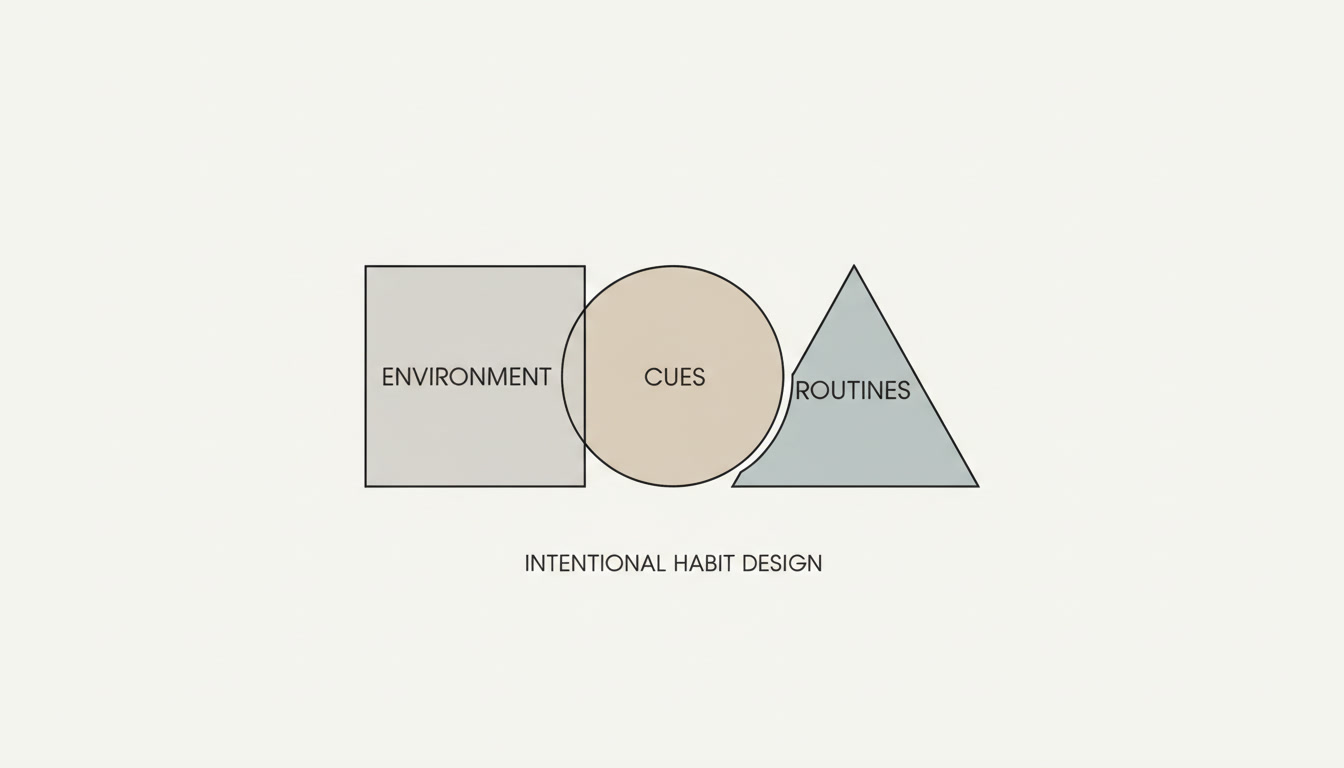
Every habit—good or bad—follows a predictable three-step cycle:
1. Cue
The trigger that initiates the behaviour (e.g., stress, notification, boredom).
2. Routine
The behaviour itself (e.g., scrolling, snacking, avoiding work).
3. Reward
The emotional payoff your brain receives (e.g., relief, distraction, comfort).
The key to breaking unhealthy patterns is not removing the routine entirely—it’s rewriting the loop.
Why “Stopping” a Bad Habit Doesn’t Work
Trying to eliminate a habit without replacing it is like pulling weeds without planting new seeds.
The brain craves the reward it’s used to receiving.
Instead, the goal is to meet the same emotional need with a healthier routine.
Example:
- Cue: Stress
- Old Routine: Mindless snacking
- Reward: Emotional relief
- New Routine: 60-second breathing reset or quick walk
You still get relief—just with a healthier action.
Step-by-Step Strategy to Break Unhealthy Patterns
Step 1 — Identify Your Triggers
Ask:
“Where does this behaviour start?”
Is it a feeling? A time of day? A specific person?
Step 2 — Notice the Reward
Every habit gives you something.
What emotional payoff are you seeking?
Step 3 — Create an Alternative Routine
Choose a replacement that meets the same need with less harm.
Step 4 — Reduce Friction on the New Habit
Make the new behaviour easier than the old one.
Examples:
- Keep water near you instead of snacks
- Put your phone in another room
- Prepare your workspace the night before
Step 5 — Practice Without Perfection
Habits change through repetition, not perfection.
A slip isn’t failure—it’s feedback.
Common Unhealthy Patterns (and Healthier Replacements)
Pattern: Avoiding tasks because they feel overwhelming
Replacement:
2-minute starter action (reduces overwhelm dramatically)
Pattern: Emotional eating
Replacement:
Breathing exercises or grounding techniques to manage emotion without food
Pattern: Constant phone checking
Replacement:
Designated “check-in windows” and a physical phone-free zone
Pattern: Negative self-talk
Replacement:
A scripted affirmation or pattern interrupt (e.g., “Pause. Is this true?”)
Why Breaking Patterns Requires Self-Compassion
You can’t shame yourself into change.
Your nervous system simply won’t allow it.
Tess Alder emphasizes the importance of gentle awareness + micro adjustments.
When you treat yourself with compassion, your brain feels safe enough to form new behaviours.
Progress Is Not Linear — and That’s Normal
Some days the old habit will win.
This doesn’t erase progress.
Just return to the new behaviour the next time the cue arises.
A pattern only breaks when you respond differently more often than not.
Consistency > perfection.
Final Thoughts: You Are Not Your Patterns
Your patterns may have shaped your past, but they don’t define your future.
With the right tools and awareness, you can break free from any behaviour that limits your growth.
Your brain is adaptable.
Your habits are changeable.
Your future is within your control.
Start with one pattern—just one—and change the loop.
Everything else follows.