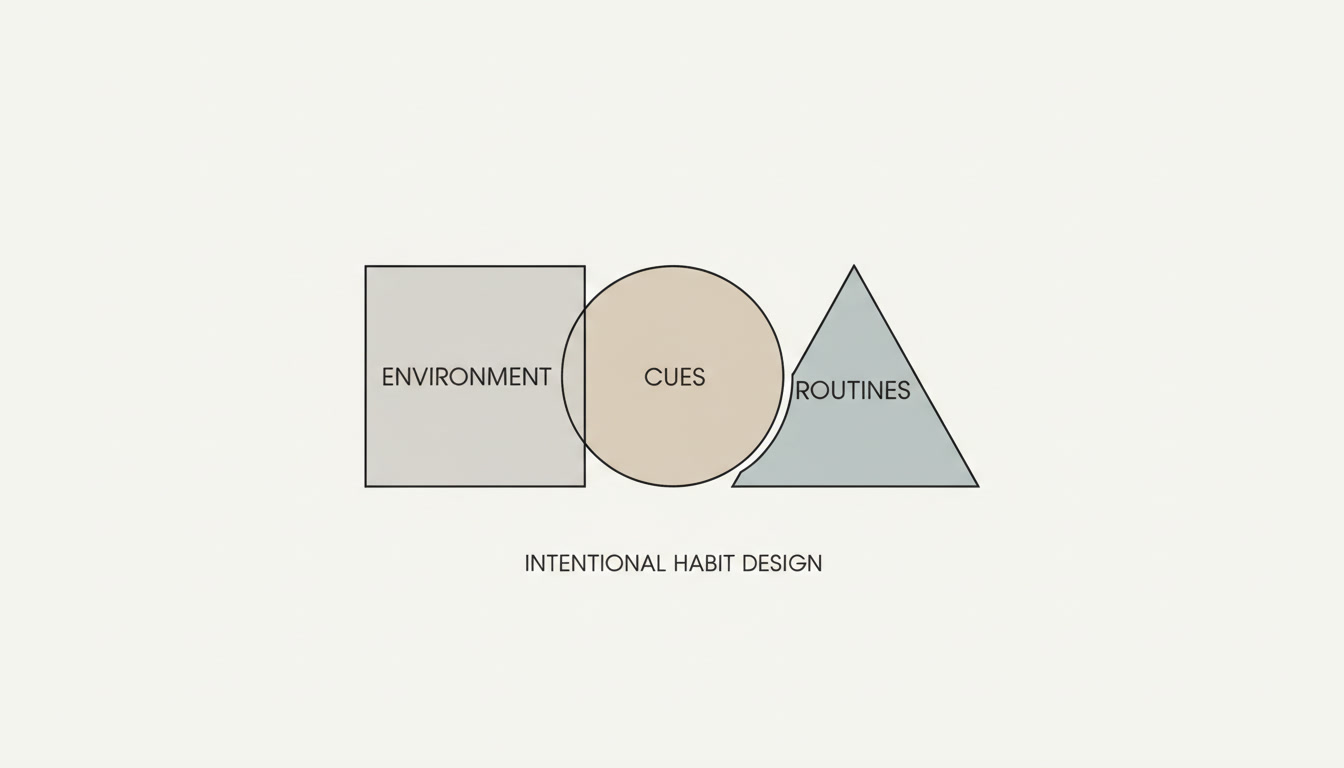

Habits don’t just change your behaviour—they change your identity.
And one of the most powerful tools for reshaping identity and building consistent habits is journaling.
In Habit Hacks for Happiness, Tess Alder highlights the unique role journaling plays in helping you track progress, understand emotional patterns, and reinforce your evolving sense of self.
Journaling isn’t just writing thoughts on paper.
It’s a scientifically supported tool that rewires mindset, improves self-awareness, and strengthens habit commitment.
Let’s explore why journaling works so well—and the best prompts to help your habits stick.
Why Journaling Is a Habit Superpower
1. Journaling Improves Self-Awareness
Most habits fail because we operate on autopilot.
Writing helps you see yourself clearly—your patterns, progress, excuses, and victories.
2. Journaling Creates Emotional Regulation
Studies show that expressive writing reduces stress, improves mood, and calms the nervous system.
A calm mind supports better choices.
3. Journaling Strengthens Identity-Based Habits
When you write about who you want to become, you begin shifting your identity toward that future version of yourself.
4. Journaling Tracks Progress You Would Otherwise Miss
Without documentation, small wins are invisible.
With journaling, they become motivating evidence of transformation.
The Habit Journaling Method
Use these three steps daily or weekly to reinforce your habits:
Step 1 — Observe
What did you do today?
What habits did you follow through on?
Step 2 — Reflect
How did these habits make you feel?
Where did you struggle?
Step 3 — Intend
What will you focus on tomorrow?
Which habits matter most right now?
This simple three-step structure creates a feedback loop that strengthens your behaviour and emotional patterns.
Powerful Journal Prompts That Support Habit Change
These prompts are inspired by the identity-building and self-reflection practices in Habit Hacks for Happiness.
Daily Habit Prompts
1. “What identity am I reinforcing with today’s actions?”
This aligns habits with who you want to become.
2. “What micro-win did I achieve today?”
Celebration increases motivation.
3. “What discomfort did I lean into today?”
Reinforces emotional resilience.
4. “What triggered my biggest challenge today?”
Awareness reduces future resistance.
5. “What is one small thing I can improve tomorrow?”
Keeps the next step manageable and realistic.
Weekly Habit Reflection Prompts
1. “What habit helped me feel happiest this week?”
2. “Where did I drift into autopilot?”
3. “What behaviour drained my energy?”
4. “What behaviour boosted my confidence?”
5. “What is one habit I want to double down on next week?”
These questions help refine your habit system and keep it aligned with your emotional wellbeing.
The Identity-Shifting Journal Exercise
Once a week, try this deeper reflection:
Write a letter from your future self.
Imagine the version of you who has mastered the habits you’re working on.
What advice do they give you?
What habits do they maintain effortlessly?
How do they think, speak, and behave?
This powerful exercise rewires your identity and pulls you toward a better version of yourself.
How to Make Journaling a Consistent Habit
Start simple:
- One sentence a day
- A 2-minute timer
- A single prompt
- A dedicated notebook or digital space
Consistency matters more than volume.
Let the habit be light, easy, and enjoyable.
Final Thoughts: Write Your Way Into the Life You Want
Journaling isn’t just reflection—it’s transformation.
It aligns your habits with your identity, helps you stay accountable, and provides clarity during your journey.
If you want your habits to stick, your journal is your greatest ally.
Write your future into existence—one sentence at a time.