
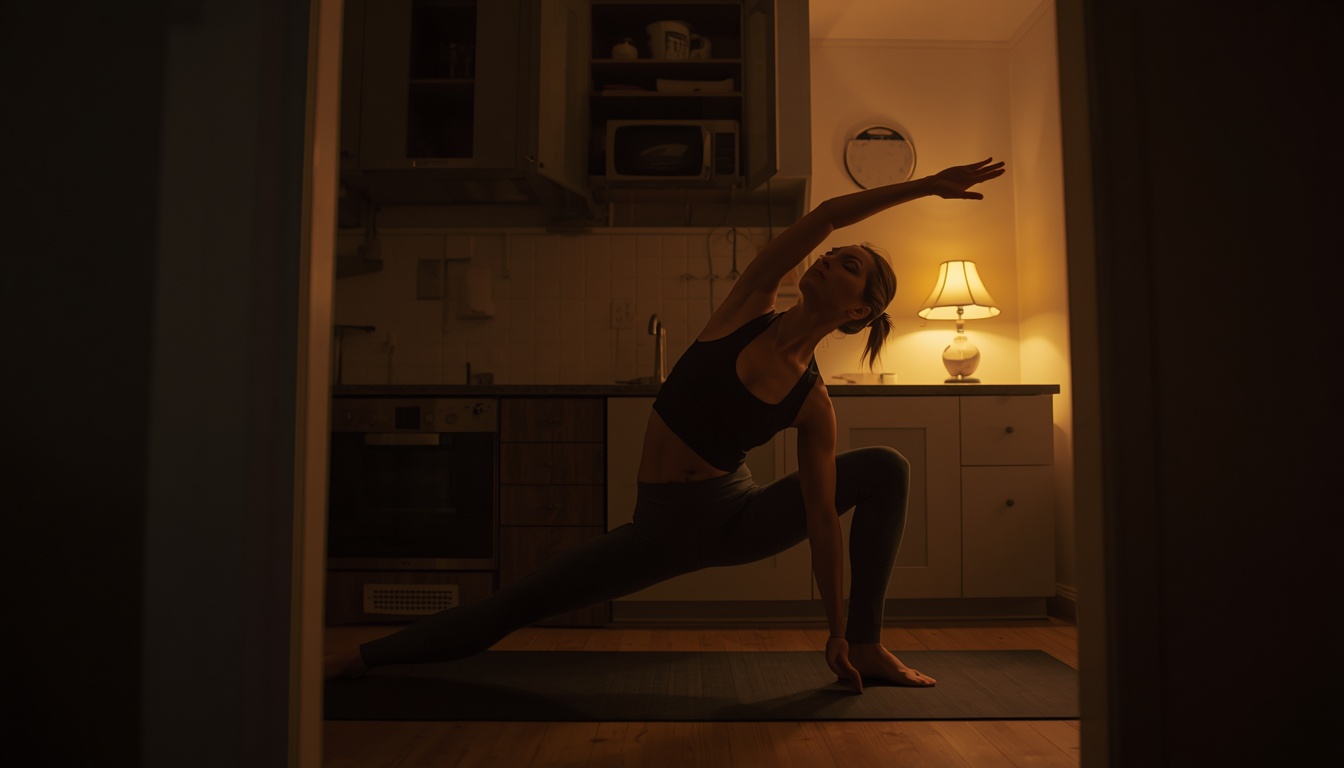
Parenting is a spectacular disruption to personal routines. The habits that worked before children often become difficult or impossible to sustain once there are small people in the equation whose needs are unpredictable and non-negotiable. Many parents respond by abandoning personal habits entirely, with the intention of returning to them when life gets easier. For many, that moment keeps receding.
The Reality Check
Parent time is fractured time. It comes in short windows that are unpredictable and easily consumed by tasks. Habits designed for unbroken hour-long blocks do not survive this environment. What does survive is habits designed for five to fifteen minute windows, anchored to existing parent-life events, and flexible enough to be done imperfectly on difficult days.
Habits That Work in Parent Time
The pre-wake window. Waking thirty to forty-five minutes before the children creates the most reliably protected personal time container of the day.
Transition-moment habits. The school drop-off. The nap window. The after-bedtime period. These transitions are structural features of parent life that repeat daily. Anchoring habits to these transitions uses existing reliable windows rather than trying to create new ones.
The two-minute reset. A two-minute breathing practice, a glass of water, a moment of stillness before reengaging — is a signal to the nervous system that your needs matter. It maintains the habit identity even on the most compressed days.
Movement integrated into parent activities. Walking loops around the playground. Dancing with the children. A short stretch during television time. These are the most sustainable physical habits for parents of young children.
The Oxygen Mask Principle
Personal habits during parenthood are not self-indulgence. A parent who has slept adequately, moved their body briefly, and had five minutes of quiet is measurably more available to their children than one who has not.
For habits designed specifically for low-energy, limited-time situations, the 5-minute habit rule is the most practical starting point. And soft habits normalises the kind of gentle, adaptive routines that survive the unpredictability of parenting.
Habit Hacks for Happiness was written for real life — and real life, for a large number of readers, includes children.
