
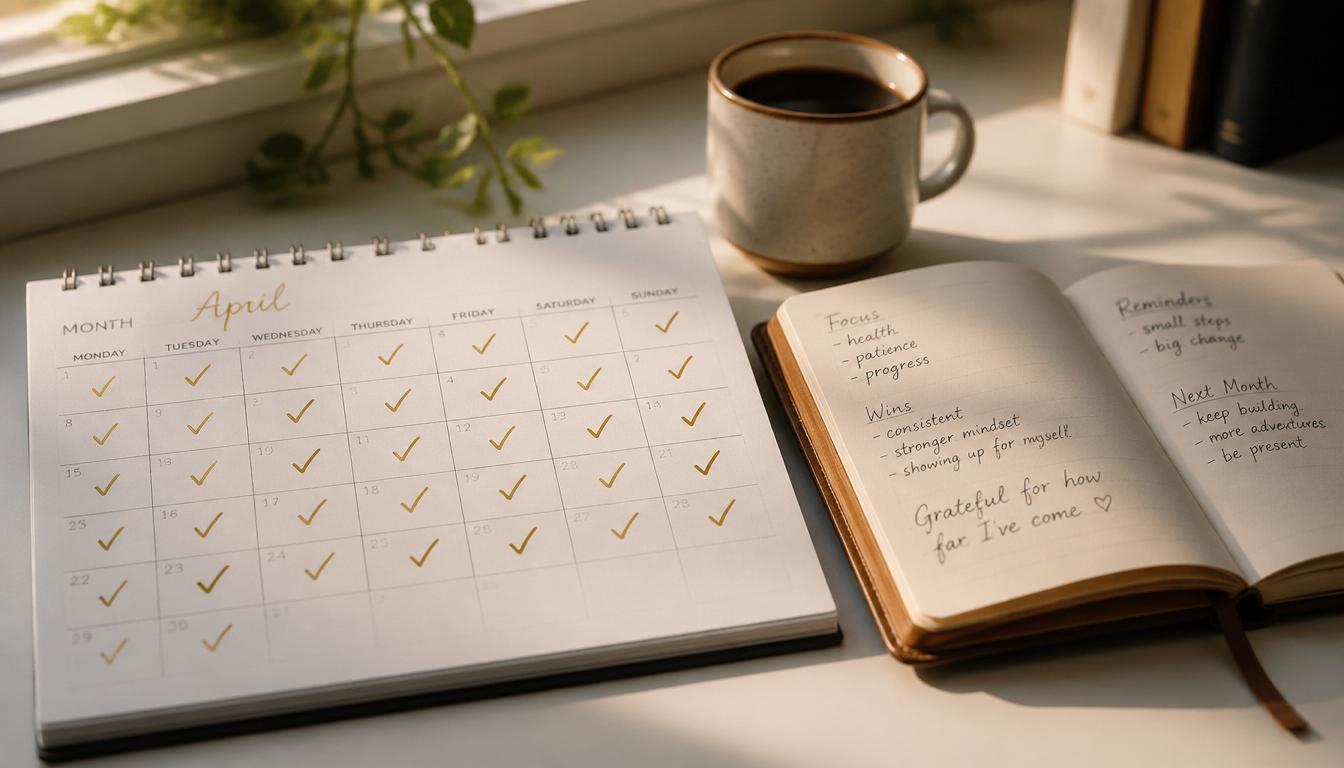
Thirty-day challenges are everywhere. But what is actually happening during those thirty days? The answer is more interesting — and more nuanced — than most habit content lets on.
The 21 Days Myth
The idea that habits take 21 days to form traces back to cosmetic surgeon Maxwell Maltz in the 1950s. A much more rigorous study by Phillippa Lally at UCL followed 96 people over twelve weeks as they attempted to adopt new habits. The time it took for a behaviour to become automatic ranged from 18 to 254 days. The average was 66 days. Complexity matters. A habit of drinking a glass of water with breakfast became automatic faster than a habit of doing fifty sit-ups.
What Happens Week by Week
Days 1 to 7: Novelty and friction. High conscious effort, high energy cost. This is not failure — this is foundation-laying.
Days 8 to 14: The resistance dip. This is where most people quietly abandon ship. Your job in this window is simply to not miss two days in a row.
Days 15 to 21: Early automaticity. The behaviour begins to feel slightly less effortful. The neural pathway is thickening.
Days 22 to 30: Solidifying the groove. The behaviour is becoming part of your identity narrative. You are starting to think of yourself as someone who does this thing.
Why 30 Days Is Still Worth It
Even if the habit is not fully cemented at day 30, a challenge period gives you data. You discover which habits genuinely improve your life and find your friction points. Think of a 30-day challenge as an intensive that launches a longer process — the goal is not the streak but the identity shift that comes from consistent repetition.
For a deeper look at why early habit resistance is so common, why your brain resists new habits gives you the full picture. And the discomfort habit explains why a little discomfort is actually the secret ingredient.
Habit Hacks for Happiness includes a structured approach to challenge-based habit building that takes all of this science into account. If you want your next thirty days to count, it is the place to start.
