
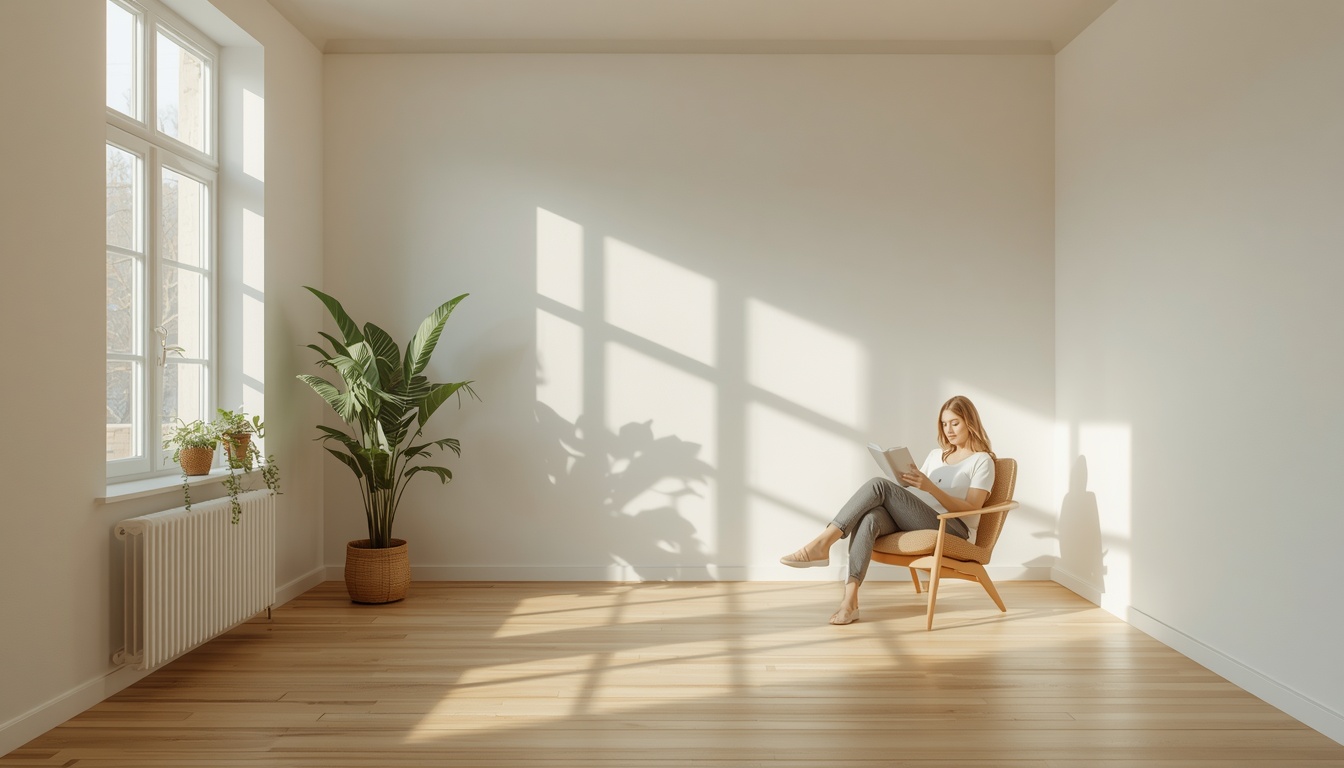
There is a reason that Marie Kondo became a global phenomenon — and it was not purely about folding. Her popularity tapped into something people already intuitively understood: that the physical environment you inhabit has a direct effect on how you feel. The research now backs this up in more detail than most people realise.
What Clutter Actually Does to Your Brain
A landmark UCLA study found that women who described their homes as cluttered had significantly higher cortisol levels throughout the day. The visual noise of too many objects — all of which represent unfinished tasks, unmade decisions, or accumulated obligations — activates low-grade threat-detection in the brain and keeps the stress response mildly elevated. Clutter also competes for attention: studies on cognitive performance consistently find that a cluttered workspace impairs focus and decision-making quality.
The Declutter Habit: A Realistic Approach
The mistake most people make is treating decluttering as a project — a single large intervention that, once complete, requires no further maintenance. A sustainable declutter practice is a habit, not an event.
The one-in-one-out rule. For every item that enters your home, one item leaves. The only rule that prevents accumulation from reasserting itself over time.
The daily ten-minute tidy. Ten minutes of active tidying per day — not cleaning, just returning things to their designated places — prevents the accumulation that makes bigger sessions necessary.
The “does it have a home?” question. Objects without homes pile up on surfaces. Objects with homes get returned to them. Creating homes for the things that currently live on surfaces eliminates a large proportion of visual noise.
Seasonal reviews. Four times per year, a longer review of spaces, wardrobes, and accumulated items.
The habit audit in the habit audit applies equally to physical possessions as to behaviours — both accumulate and both need periodic review. And the phone-free morning practice in phone-free mornings benefits enormously from the kind of calm physical environment a declutter habit creates.
For a complete approach to designing a daily life that supports your wellbeing at every level, Habit Hacks for Happiness is the comprehensive guide you need.
